You decorated, traveled, ate, opened gifts, and ate some more. You rang in the new year with a long list of resolutions. Now, what?
Epiphany: It’s time to take down all the decorations.
Many people have only heard of Twelfth Night or Epiphany as the deadline for taking down Christmas decorations, but it’s actually a significant part of Christian history.
What is the history behind this holiday?
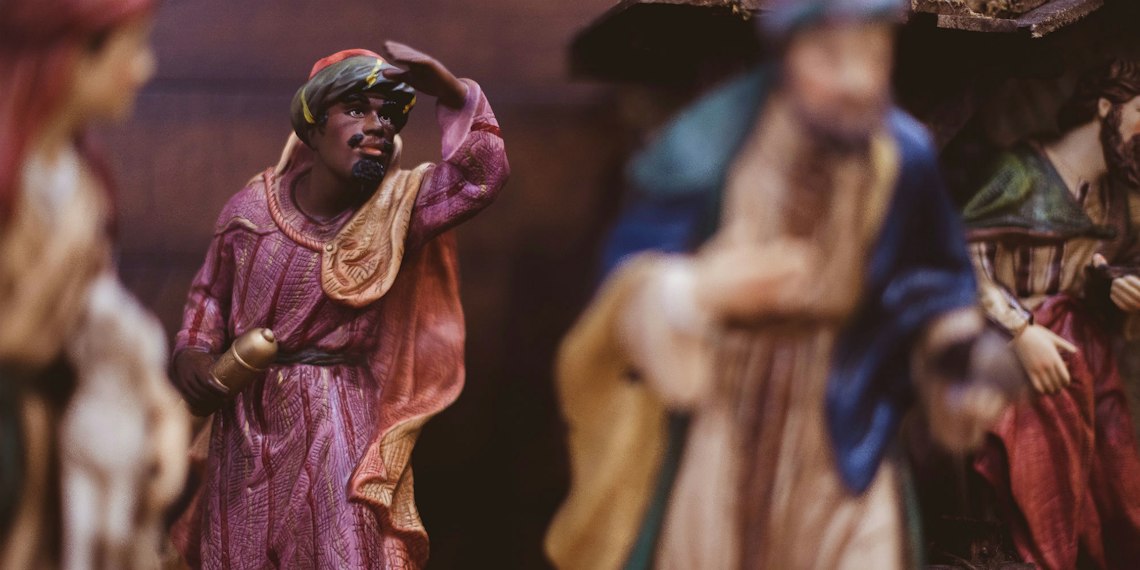
The word epiphany means “manifestation” or “revelation.” When Christians talk about Epiphany, we are referring to the wise men, or Magi, and their revelation that Jesus was the Christ, the Messiah that Israel had been waiting for (Matthew 2:1-12). On this day, we recognize the wise men’s journey to see, worship, and bring gifts to “the one...born king of the Jews” (Matthew 2:2). The festival commemorating Epiphany is Jan. 6 and is also called Three Kings Day.
Epiphany celebrates Jesus' outward and visible expression of love for us.
Why does the Epiphany matter?
Christ’s birth was a big deal for the wise men, and it is a big deal for us. At its essence, Epiphany celebrates Jesus’ outward and visible expression of love in leaving His rightful place in heaven to live as a human and become the sacrifice for our sins. The Magi, wise men from the East who studied the stars and were outsiders to Israel, represent Jesus’ ability to draw all types of people to Him. He is a Savior who came for all people, including each one of us.
Should I celebrate Epiphany? And if so, how?
Epiphany traditions vary from culture to culture. It can be helpful to remember and celebrate significant events in Jesus’ life, including the Epiphany. What is important to keep in mind when celebrating any holiday is the reason for and the heart behind the celebration. Rather than acknowledging traditions or rituals because they’ve always been done, celebrate the meaning of the holiday: Jesus came to earth to save us.
Adapted from an article originally published by NewSpring Church.